Carbon, Communities, and Circular Growth: Indonesia’s Green Economic Pathway
-
KG Media
-
KG Media
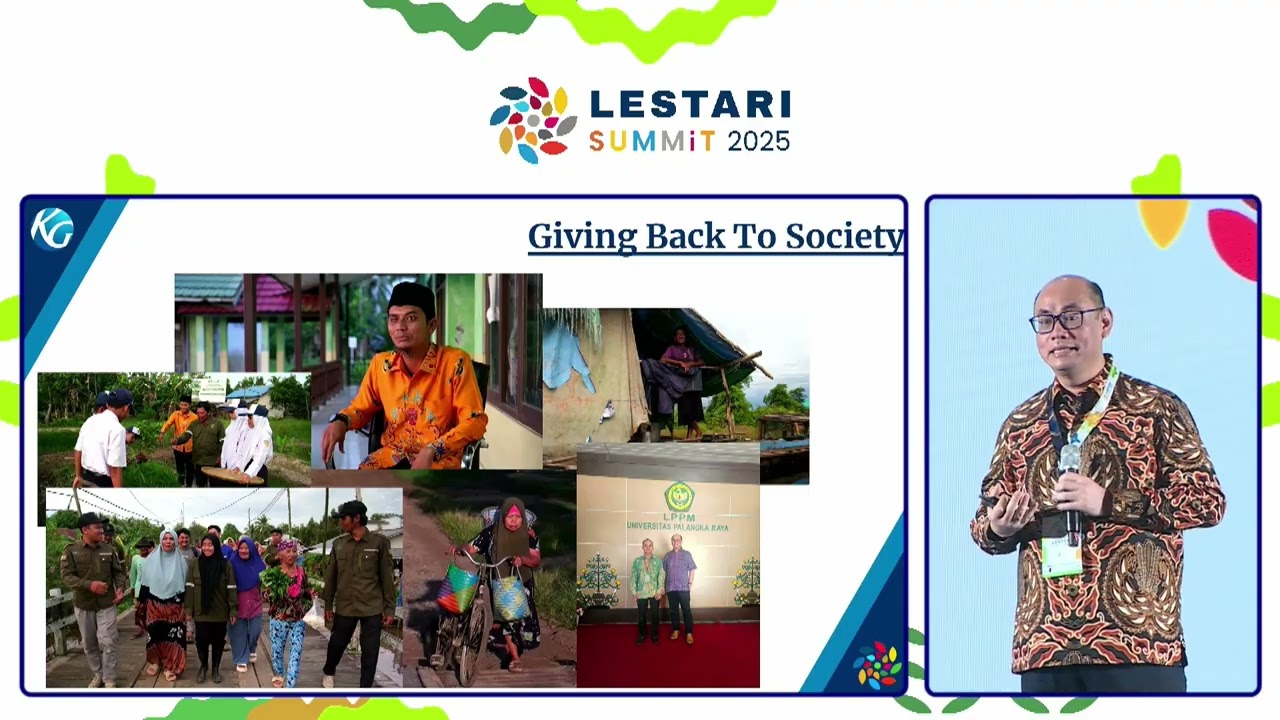
Speaker: Dr. Rio Christiawan, Co-founder and CEO Pagatan Usaha Makmur (PUM).
This session explores how reforestation can serve as a practical pathway toward Indonesia’s green economy by delivering climate, environmental, and socioeconomic benefits simultaneously. Drawing on Pagatan Usaha Makmur’s experience, Dr. Rio Christiawan demonstrates how nature-based solutions can restore ecosystems, empower local communities, create sustainable livelihoods, and support Indonesia’s transition to a low-carbon future.
Key Takeaways:
- Reforestation is presented as a practical “quick win” for reducing greenhouse gas emissions while supporting economic growth and community development.
- Indonesia’s vast forests, mangroves, and peatlands are valuable natural assets that can drive sustainable development through responsible management and restoration.
- The Paris Agreement, Indonesia’s climate commitments, and supporting regulations have created opportunities for reforestation, carbon markets, and green economic growth.
- Reforestation provides a balanced approach between environmental conservation and economic development by generating both ecological and financial value.
- Carbon projects should prioritize community empowerment by creating jobs, improving livelihoods, and supporting education and local infrastructure in remote areas.
- Forest restoration can generate sustainable economic opportunities beyond carbon credits through nature-based products and community enterprises, such as honey, coffee, and other local products.
- Conserving biodiversity, including pollinator species such as stingless bees, is essential for maintaining healthy ecosystems, food security, and long-term environmental resilience.
- Successful nature-based projects require collaboration among governments, businesses, academia, and local communities to create lasting environmental and social impact.
- Sustainability should create measurable benefits for climate, communities, and biodiversity, ensuring that conservation efforts translate into tangible improvements in people’s livelihoods.
Organizer

Participating Media